Fields of Mistria Beginner Walkthrough — Day One in Mistria
Farm setup, social introductions, and your first shipping income.
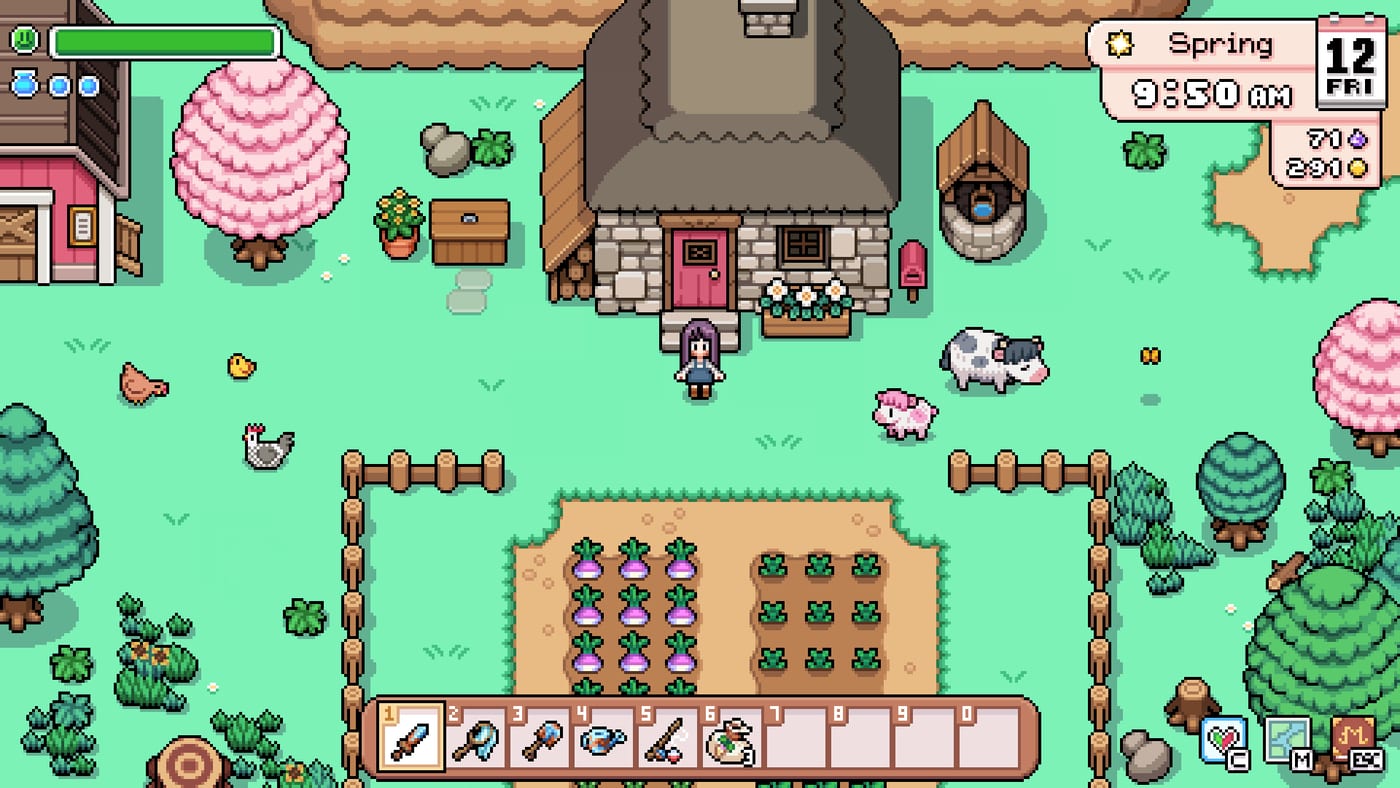
Your first day in Fields of Mistria sets habits that either smooth the path to Town Rank 10 and the mines—or leave you broke before Summer. NPC Studio’s life sim blends Stardew-style farming with magic, museum collecting, and a town rebuild arc. This beginner walkthrough assumes a fresh save on 1.0 (August 2026) and focuses on what to do before you log off on day one.
Arrival and the farm plot
After character creation, you receive your farmhouse and a small field. Adeline and early town quests introduce the core verbs: till soil with the hoe, water with the watering can, and sleep to restore stamina. Stamina is not optional decoration—every swing costs energy, and running dry mid-day wastes time you cannot get back until tomorrow.
Clear weeds and rocks from your initial plots before planting. The game grants starter seeds; plant every tile you can water today. Multi-harvest crops like strawberries become the backbone of early income, but day one is about learning the loop, not perfect optimization. For seasonal planning later, bookmark crops by season.
Tools you have versus tools you still need
Quest progression gives you the hoe, watering can, axe, and pickaxe without shop purchases. Do not hunt the general store for replacements on day one—the story delivers them on schedule.
Two tools you will buy soon, not today:
- Shovel (~500 Tesserae) for digging and archaeology.
- Fishing rod (~500 Tesserae) for river catches and museum donations.
Save Tesserae from your first harvest before buying both on the same day. The first week guide schedules those purchases so you still afford seeds and request-board turn-ins.
Meet the town (do not skip this)
Introduce yourself to villagers when their schedules allow it. Many early quests require counting unique greetings or friendships started. Walk the central paths, enter open shops, and talk to anyone with a marker over their head.
Relationship progress is slow if you only farm in isolation. One conversation per villager per day is the safe baseline; gifts come later when you know preferences. Romance and deep story beats are months away, but renown and request board tasks often hinge on knowing who lives where.
Request board and shipping box
The request board posts daily jobs: deliver crops, fish, or foraged items for Tesserae and friendship. Accept what matches your inventory, not what sends you across the map for a single turnip.
The shipping box beside your farm converts overnight sales into Tesserae. Anything you place inside sells at morning roll call—this is how you fund seeds, snacks, and eventual barn upgrades. Ship forage you do not need for museum sets; duplicate commons are better as cash than clutter.
Museum habit starts early
Even if the museum feels optional, donations feed Town Rank. Donate one of each new artifact, fish, or mineral when Gunther-equivalent staff accept them. Duplicates sometimes still help complete sets. Read museum overview once you have three donations so you understand set rewards.
Dig sites require a shovel; until you buy one, focus on surface forage and fishing spots near town. Archaeology dig sites lists where to sweep once you can excavate.
Stamina and time management
Eat cooked or bought food when your bar dips below half before a long mining or fishing session—though mines remain locked until Town Rank 10. On day one, prioritize:
- Water every planted tile.
- Finish any marked story quest steps.
- Talk to every reachable NPC once.
- Forage along your route home.
- Ship everything except quest items.
Stop before you collapse; leftover stamina does not roll over, but neither does wasted effort on unreachable objectives.
Magic essence preview
You may see references to Lord Caldarus and the statue where essence from skill levels buys perks. Do not stress optimal essence spending on day one. Unlock the shrine through early story beats, then revisit when you know whether you prefer farming, fishing, or combat perks. Magic and spells matters more after the mines open.
Where day one ends
By nightfall you should have: crops planted, every villager greeted once if schedules allowed, at least one request completed or accepted, and the shipping box fed. Check the calendar for festivals—missing one day of watering hurts less than missing a whole festival shop.
Tomorrow, shift from exploration to economy. Follow the first week guide for shovel and rod timing, then Town Rank when renown becomes your bottleneck. If controls feel awkward, adjust bindings using recommended rebinds before muscle memory sets in.
Fields of Mistria rewards consistent daily loops over heroic single-day marathons. Treat day one as tutorial plus social mapping; the real Tesserae snowball begins once multi-harvest berries and museum sets align in Spring.
Frequently Asked Questions
Quick answers to the most common questions.
Which tools do I get for free at the start?
Story quests provide the **hoe**, **watering can**, **axe**, and **pickaxe**. The **shovel** and **fishing rod** cost about **500 Tesserae** each at shops—plan those buys using the first week guide.
Should I talk to every NPC on day one?
Yes, if schedules allow. Early quests track introductions, and daily conversation builds friendship that later unlocks heart events and mine-related story help.
What should I sell versus donate on day one?
Donate the **first copy** of each museum-eligible item, then ship duplicates for Tesserae. See the museum overview for set rewards that speed Town Rank.
When can I enter the mines?
After reaching **Town Rank 10**. Focus day one on farming and introductions; read Town Rank explained for renown pacing.
Are strawberries worth planting immediately?
Strawberries, blueberries, and cranberries are among the best **multi-harvest** early crops. Full seasonal math lives in best money crops.